How Kali’s Aswang connect to the spiritual system
When a Diwa Is Rewoven
In Kali, Diwa is the spiritual pattern that shapes a being. This devlog explains how inborn Aswang differ from humans forcibly rewritten into Made Aswang—and why Gabunan’s power is an exception to Habi.
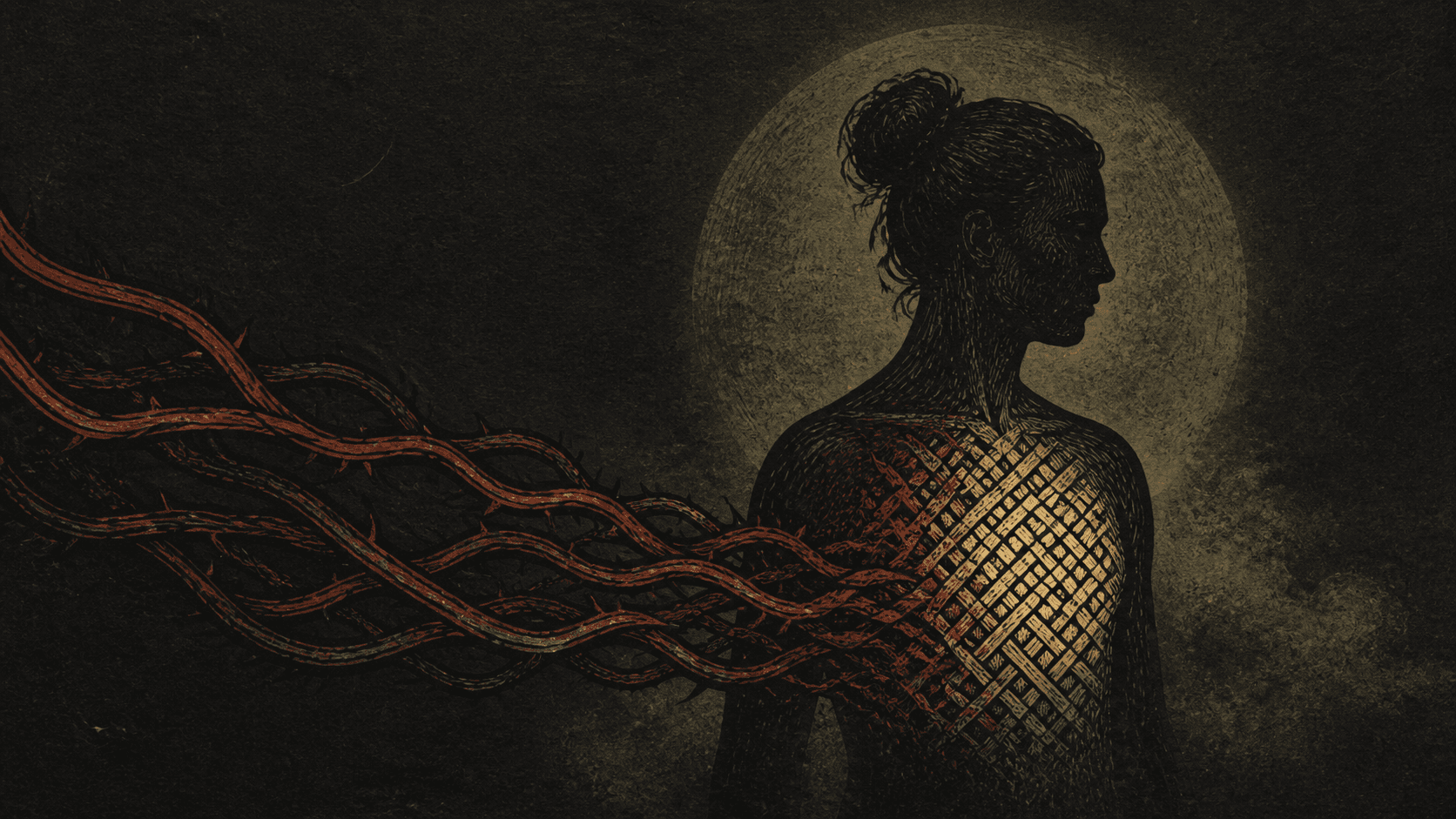
When I describe Diwa, I usually start from the human side of the system: it is a person’s spiritual identity, the pattern that shapes what they can sense and what they can weave.
That definition raises a difficult question almost immediately. What happens when that pattern is not simply trained or expressed—but changed?
In Kali, that question sits at the center of how I am thinking about the Aswang.
Diwa is not a costume
A person can learn Habi. They can improve their control, study a martial form, learn from a community, and find more deliberate ways to gather Hibla from the Daloy around them.
None of that normally changes their Diwa. Training changes what someone can do with their nature; it does not replace the nature itself.
That distinction matters because Diwa is not an element label or a resource bar. It is the spiritual pattern that makes a being what it is. If that pattern is altered, the result is not just a new technique. It is a change to the being itself.
Habi works through a Diwa. Gabunan’s power reaches into it.
Two ways an Aswang can exist
The current design separates Aswang into two broad origins.
Inborn Aswang are naturally reproducing creatures born with an Aswang Diwa. They were never human, and they do not have an original human spiritual pattern underneath the monster.
Made Aswang begin as human. Their Diwa is corrupted and progressively rewoven into an Aswang pattern.
The distinction is important to me because it keeps “Aswang” from being one vague supernatural category. An inborn Aswang is a creature with its own nature. A Made Aswang is the result of a violent transformation.
Neither is just a person using a darker version of Habi.

Gabunan’s exception to the rule
Ordinary practitioners work outward from the world. Ginhawa moves as Daloy; a practitioner gathers Hibla; their Diwa filters and structures those threads; Habi turns them into an effect.
Gabunan’s ability breaks that relationship. Rather than shaping ambient Hibla through his own Diwa, he can interfere directly with another being’s spiritual pattern. He can corrupt it, force a new pattern into it, and progressively reweave it.
That is why Made Aswang are so central to the larger threat in Kali. The danger is not only that an enemy can hurt someone. It is that someone’s identity can be made into an instrument of the enemy’s will.
For clarity, simply draining a person’s Diwa does not create an Aswang. It kills them. Transformation requires the corrupt pattern to be forced into what was already there.
Why the word “rewoven” matters
The weaving language is not just a visual style for this system. It lets the design distinguish between growth and violation.
Habi is deliberate practice: learning how to gather, shape, and use what the world offers. It can be tied to movement, breath, stance, timing, and eventually the rhythm of arnis combat.
Gabunan’s reweaving is the inversion of that idea. It does not help a person understand their Diwa. It overwrites it.
That also gives the Made Aswang a more specific horror than “humans who turned into monsters.” Their transformation is a corruption of the very pattern that once made their life and choices their own.
The hierarchy is still taking shape
The current plan includes upper-rank Made Aswang whose Diwa Gabunan has deliberately refined into more stable corrupted forms. They are called the Hinabi—the Woven—and they can spread a weaker version of his transforming influence.
Some details are intentionally still open: the individual ranks, limits, roles, retained humanity, and weaknesses are all under design. I do not want to make the hierarchy feel finished before its encounters, gameplay consequences, and story purpose are actually ready.
What is established is the relationship: Gabunan’s control follows the corrupted lineage he creates. The Made Aswang and these upper ranks are not simply independent creatures who happen to share a visual theme.
A system with stakes
The Diwa system started as a way to make spiritual power feel personal rather than like a list of spells. The Aswang side of it makes that idea carry stakes.
If Diwa is the shape of who a being is, then the conflict is not only over territory or power. It is also over whether that shape can remain your own.
That is the tension I want to keep building on as Kali’s creatures, combat systems, and world take clearer form.
More development notes
Systems
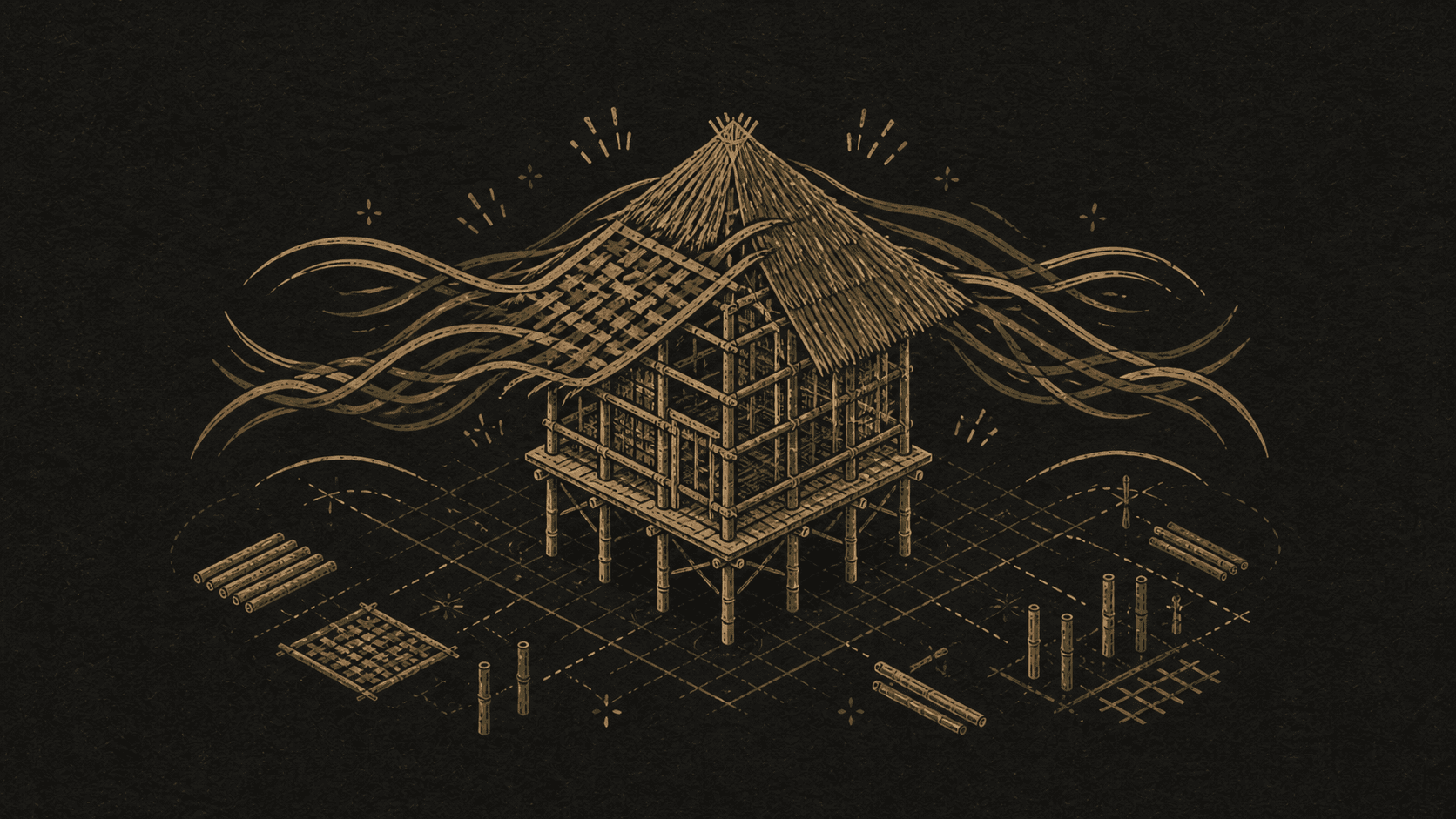
From Fence to Refuge: Building Kali’s House System
A fence prototype became a house-building system by making placement explain itself: terrain-aware previews, player-first snapping, staged construction, deliberate roofs, and Habi weaving.
Systems
Diwa Is Not Mana
Diwa started as a simple elemental identity for each tribe. It has grown into something more personal: the spiritual shape that defines who you are, what you can sense, and what you are capable of weaving.
Systems
Turning Arnis Into Magic
Kali's magic is not a separate spell wheel. The plan is to configure three or four arnis strikes, then let Diwa and Habi run through the same movement, timing, parry, and counter rhythm.