Combat systems
Turning Arnis Into Magic
Kali's magic is not a separate spell wheel. The plan is to configure three or four arnis strikes, then let Diwa and Habi run through the same movement, timing, parry, and counter rhythm.
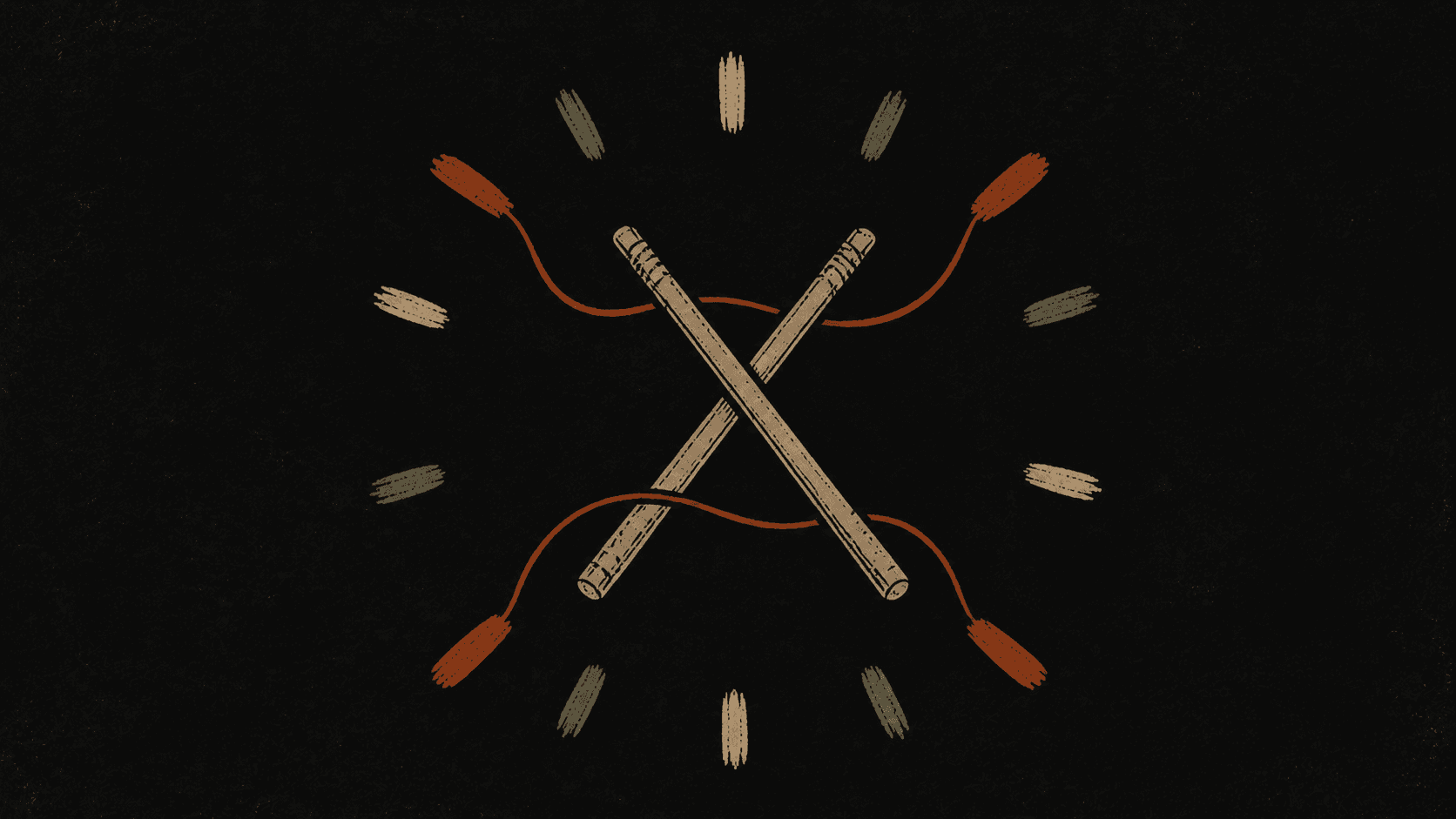
Giving Kali a spell wheel would have been much easier. Hold a button, open a menu, choose an element, cast. We almost went in that direction. Then a harder question caught up with us: if arnis is the heart of combat, why should magic ask the player to stop doing arnis?
Why magic cannot be a separate menu
Magic in Kali begins in nature. Ginhawa is the world's living breath, Daloy is that breath in circulation, and Hibla are the individual threads a practitioner can gather. But an environment does not simply hand everyone standing inside it the same spell list.
The practitioner's Diwa—their identity, soul, nature, and spiritual pattern—filters and structures those gathered Hibla. Habi is the trained act of weaving them into an effect. Place matters because it supplies and shapes the current, but Diwa determines what that current can become in a particular person.
The environment supplies the current. Diwa shapes what can be woven. Arnis gives the weave its timing and form.
A detached spell menu would flatten those relationships into a button choice. The current direction keeps them inside movement, positioning, timing, and the weapon already in the player's hands.
Twelve strikes become your fighting language
The primary weapon is paired yantok, and the combat design takes the familiar twelve basic strikes framework as the pool for Kali's basic attack language. It is a game-system foundation, not a claim that every real Arnis school teaches one identical sequence in one identical way.
The plan is not to place all twelve strikes on the controls at once. Before a fight, the player configures three or four strikes. That selection becomes the active combo, so changing the loadout changes which targets, rhythms, and tactical answers the player brings.
A head-targeting strike may create a stun opportunity.
A leg-targeting strike may slow movement.
An arm-targeting strike may create a disarm opportunity.
Those are early design examples, not a finished move list. The important idea is that building the character starts with choosing a fighting vocabulary instead of choosing a class.

The strike is the spell
Habi is not meant to be an elemental coating pasted onto the combo afterward. Footwork, breathing, stance, timing, and weapon movement help the practitioner sense, gather, and shape Hibla. An equipped strike can become the physical form that carries the weave.
You do not stop fighting to cast. The fighting is how you weave.
That also leaves room for identity. Two practitioners could stand in the same Daloy and equip the same strike, yet produce different supernatural expressions because their Diwa are not the same. The shared environment supplies the material; it does not erase the person using it.

Where parry and counter fit
The current combat direction ties stronger weaving to the same defensive rhythm as the rest of the fight. A successful timing-based parry is intended to open a counter window. That window can become the moment when prepared Habi travels through one of the equipped strikes, keeping magic inside the cycle of reading an attack, answering it, and taking control.
That is the design direction, not a finished mechanic. The paired arnis combat, twelve-strike loadout, parry-and-counter system, and full Habi integration are still under development.
What is actually in the prototype
The current Godot prototype already gives us several foundations to test against:
Third-person locomotion, cursor-directed aiming, health, and energy.
A four-hit unarmed placeholder combo, plus roll and slide states.
Attack trails and visual effects.
Reusable enemy AI, an Aswang enemy, and a Kapre boss encounter.
Terrain and environment work, plus an early fence-building mode.
The placeholder combo is useful scaffolding, but it is not evidence that the final combat model already works. It exists so movement, animation flow, hit timing, effects, and enemy reactions can be developed while the real arnis system is being designed and built.
What remains planned
Paired yantok combat built from a swappable three- or four-strike loadout.
A timing-based parry that opens a reliable counter activation window.
Habi carried through equipped strikes instead of a separate spellcasting mode.
Multiple arnis and martial styles with different ways of shaping the same environmental current.
Clear rules for costs, limits, stagger, unparryable attacks, and elemental interactions.
Those items are a roadmap, not a promise that every detail has already survived prototyping. Exact timings, resource costs, strike effects, and the boundaries between Diwa compatibility and learned Habi remain open design work.
The next proof
The next meaningful milestone is small on purpose: replace the placeholder with a swappable three- or four-strike loadout, make one parry-to-counter window feel reliable, and let one selected strike carry one woven effect. If that loop feels like arnis and magic becoming the same action, then we will have something worth expanding.
More development notes
Systems
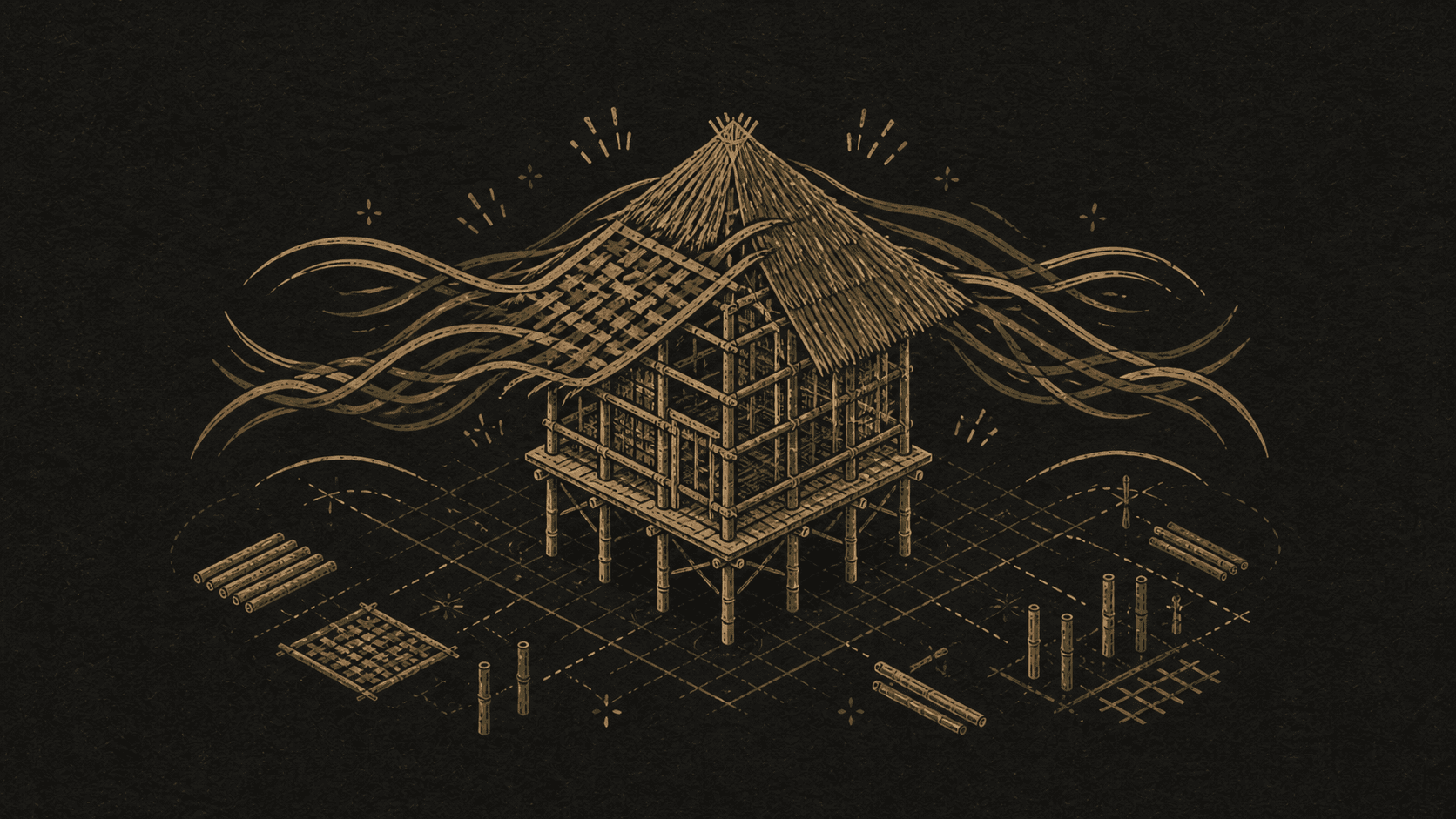
From Fence to Refuge: Building Kali’s House System
A fence prototype became a house-building system by making placement explain itself: terrain-aware previews, player-first snapping, staged construction, deliberate roofs, and Habi weaving.
Systems
When a Diwa Is Rewoven
In Kali, Diwa is the spiritual pattern that shapes a being. This devlog explains how inborn Aswang differ from humans forcibly rewritten into Made Aswang—and why Gabunan’s power is an exception to Habi.
Systems
Diwa Is Not Mana
Diwa started as a simple elemental identity for each tribe. It has grown into something more personal: the spiritual shape that defines who you are, what you can sense, and what you are capable of weaving.