Designing Kali’s spiritual system
Diwa Is Not Mana
Diwa started as a simple elemental identity for each tribe. It has grown into something more personal: the spiritual shape that defines who you are, what you can sense, and what you are capable of weaving.
When I first started thinking about magic in Kali, the idea was much simpler than what we have now.
The earliest version was basically an elemental system tied to communities. One tribe would specialize in fire. Another would specialize in water. Another in earth, another in air. If you came from the “fire tribe,” then fire was your thing. You learned fire techniques, your people had fire traditions, and that was the identity of the group.
It worked. It was easy to understand. It also started feeling too close to a class system wearing different clothes.
The more I worked on Kali, the more I wanted spiritual power to say something about a person rather than just tell you which elemental category they belonged to. That is where Diwa started changing.
From element to identity
Diwa is now one of the foundations of Kali’s supernatural system.
The simplest way I can describe it is this: your Diwa is your spiritual identity.
It is the internal shape of who you are. It determines what kinds of supernatural things you are naturally connected to, what you can sense, what you can weave, and what abilities may come naturally to you.
Elemental affinity can be part of that. A person may have a Diwa naturally suited to fire, water, earth, air, or something else. But I do not want Diwa to stop at elements. Someone’s Diwa may also make them naturally sensitive to spirits, capable of perceiving things other people cannot, or inclined toward abilities that have nothing to do with throwing an element at an enemy.
That distinction matters a lot to me.
I do not want “Diwa: Fire” to mean the same thing as choosing a fire class. I want Diwa to feel closer to the spiritual architecture a person was born with.
Diwa is not the power you spend. Diwa is the shape that determines what kind of power can pass through you.
And no, Diwa is not a mana bar
One thing I want to make very clear early is that Diwa is not a resource.
You do not have 100 Diwa, cast something, and now you have 70 Diwa left.
Diwa is not fuel. It is not a battery. It is not the blue bar under your health.
Think of it more like a spiritual pattern or internal structure. Two people can stand in the same place, surrounded by the same supernatural energy, and still be capable of completely different things because their Diwa gives that energy a different shape.
That idea is the reason the rest of the system exists.
Ginhawa, Daloy, Hibla, Diwa, Habi
There are five terms that make up the basic flow of supernatural power in Kali: Ginhawa, Daloy, Hibla, Diwa, and Habi.
I chose these words because I wanted the vocabulary of the system to feel inseparable from the world rather than imported from a generic fantasy spellbook. They are related ideas, but each one describes a different part of the process.
Ginhawa — the living breath of nature: the deeper spiritual vitality expressed by forests, rivers, mountains, winds, volcanoes, sacred places, and the world itself.
Daloy — Ginhawa in motion. It is the ambient flow or current of that living breath through an environment.
Hibla — an individual thread drawn from that current. It is the portion of Daloy a practitioner can actually sense, gather, and work with.
Diwa — the practitioner’s identity and spiritual pattern. It determines what that person can naturally perceive, accept, and weave.
Habi — the act of weaving: gathering Hibla, passing them through the shape of one’s Diwa, and forming them into a supernatural effect.
The whole flow at a glance

Ginhawa → flows through the world as Daloy → is gathered as Hibla → passes through Diwa → is shaped through Habi → becomes an effect.
That is the system in one line.
A volcanic place may express a powerful Ginhawa. That breath moves through the area as Daloy. A practitioner senses individual Hibla within that current and gathers them. Their Diwa determines what they can actually do with those threads. Through Habi, they weave the Hibla into a technique.
This is also why two people drawing from the same environment do not necessarily produce the same result.
The source can be shared. The current can be shared. Even the Hibla being gathered can come from the same place.
But the Diwa they pass through is not the same.

Why communities still matter
The old “elemental tribe” idea is not completely gone. It just changed.
I still like the idea that communities living for generations in certain environments develop strong relationships with the Ginhawa around them. A people living near volcanic regions may develop traditions centered on heat, ash, pressure, flame, or other volcanic qualities. River and coastal communities may develop ways of weaving flow and water. Mountain, forest, agricultural, or stone-rich regions may produce earth-associated traditions. Communities shaped by storms, high places, and open coasts may develop strong relationships with air.
But I no longer want every person from one community to feel like a copy of everyone else.
The environment helps explain why certain Diwa patterns and Habi traditions become common in a place. It gives culture and geography a real influence on power. It does not mean every person is spiritually identical.
For now, fire, water, earth, and air are the clearest foundations we are working with. They are not meant to be the final list of everything supernatural that can exist in Kali.
Can your Diwa change?
Within the world, the accepted answer is basically no.
A person’s Diwa is understood to be something fundamental. You can train. You can become better at Habi. You can learn new martial forms, improve how efficiently you gather Hibla, understand your own affinity more deeply, and discover uses for your abilities that you never knew before.
But training does not normally rewrite what you are.
That is important because I want character growth to come from learning how to use your nature rather than constantly replacing it with a better one.
There are beliefs in the world about what Diwa can and cannot become, though, and I am intentionally leaving a little space around the word “cannot.” Kali is a supernatural world. People understand its rules through tradition, observation, and experience. Whether every rule they believe is truly absolute is something I would rather let the game answer.
Innate does not mean mastered
Another distinction I like is the difference between being naturally capable of something and actually knowing how to use it.
A Diwa may give you a connection to an element, to spirits, or to another supernatural quality. That does not mean you are automatically skilled.
You still need Habi. You still need practice. You still need a tradition, a teacher, experimentation, or some other way to learn how to gather Hibla and shape them deliberately.
This lets us separate identity from technique. Diwa answers, “What are you capable of?” Habi answers, “What have you learned to do with it?”
That gives us much more room for character building than the older version of the system did.
Why call it weaving?
The weaving language is probably the part of this system I have become most attached to.
Hibla gives us the image of threads. Daloy gives us movement. Diwa gives those threads a pattern. Habi is the deliberate act that turns all of that into something meaningful.
It also fits the direction of combat.
I do not want the player to stop fighting, open a radial menu, select “Fireball,” and suddenly become a wizard for three seconds. The plan is for Habi to live inside movement: breathing, stance, timing, footwork, weapon motion, and eventually the arnis system itself.
The supernatural effect should feel woven into the action rather than cast on top of it.
That part is still planned design, not something I want to pretend is already finished in the game. We have pieces of the combat foundation in place, but the full Diwa-to-Habi gameplay loop is something we are still designing and prototyping.
What changed from the first version

The old version asked: “Which element does this tribe use?”
The current version asks a set of questions I find much more interesting.
What kind of person is this, spiritually?
What can they perceive that others cannot?
What does their Diwa allow them to weave?
How did the place they grew up in influence the traditions around that ability?
And once they understand what they are capable of, what do they choose to do with it?
That feels much closer to what I want Kali to be about.
The elemental tribes gave us a useful starting point. Diwa gives us a system that can still support those regional traditions without reducing an entire culture—or an individual character—to one element.
What comes next
There are still parts of this system I am intentionally not locking down publicly yet. Exactly how elemental affinity develops across generations, how much an outsider can learn from another community’s tradition, and where the limits of certain Diwa lie are things we are still working through.
For this devlog, the important foundation is simple:
Ginhawa is the living breath.
Daloy is its flow.
Hibla are the threads you gather.
Diwa is the shape of who you are.
Habi is how you weave.
And the next question is the fun one: what does weaving actually look like when an arnis fight starts?
That is what I want to tackle in the next devlog.
More development notes
Systems
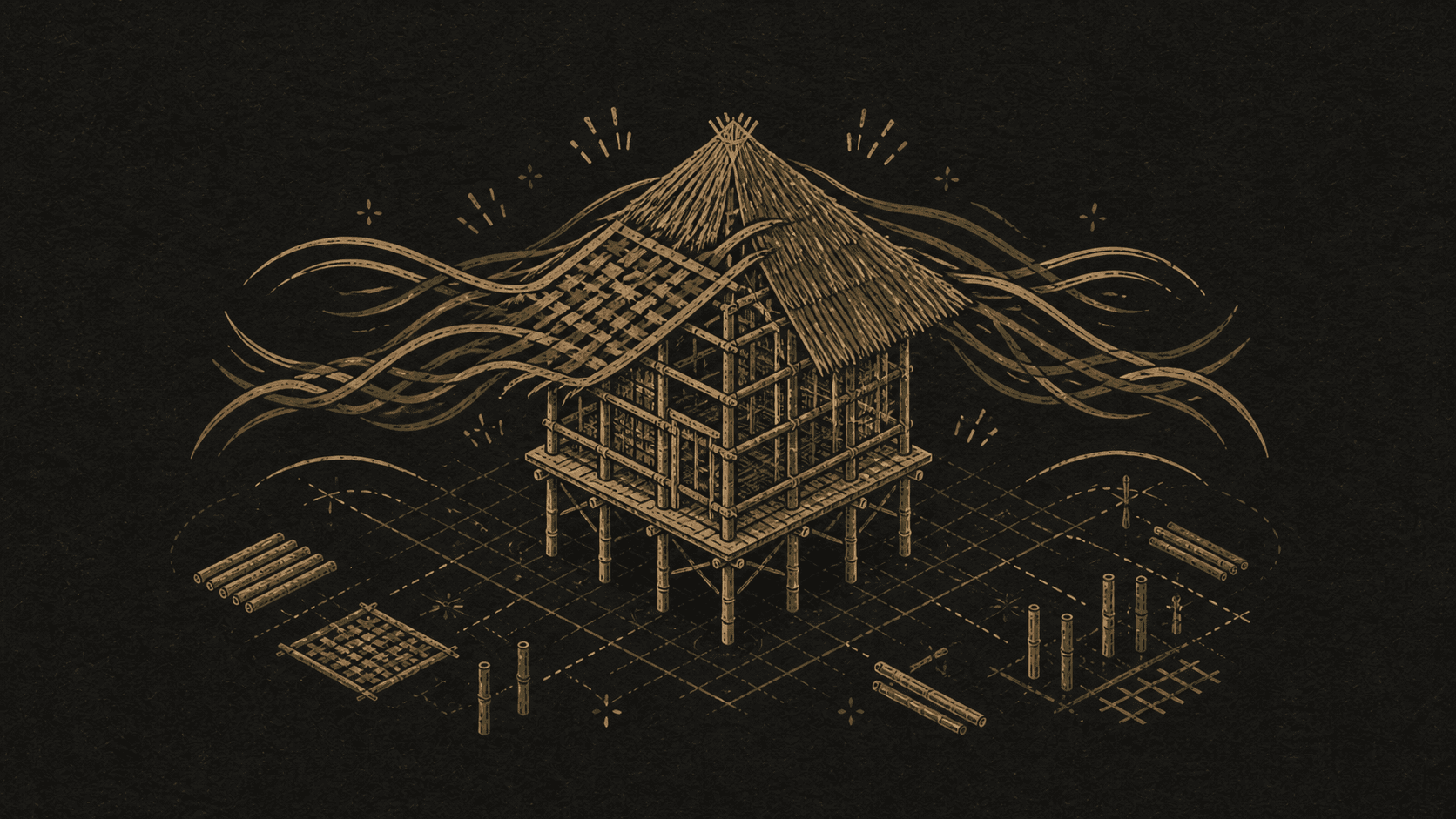
From Fence to Refuge: Building Kali’s House System
A fence prototype became a house-building system by making placement explain itself: terrain-aware previews, player-first snapping, staged construction, deliberate roofs, and Habi weaving.
Systems
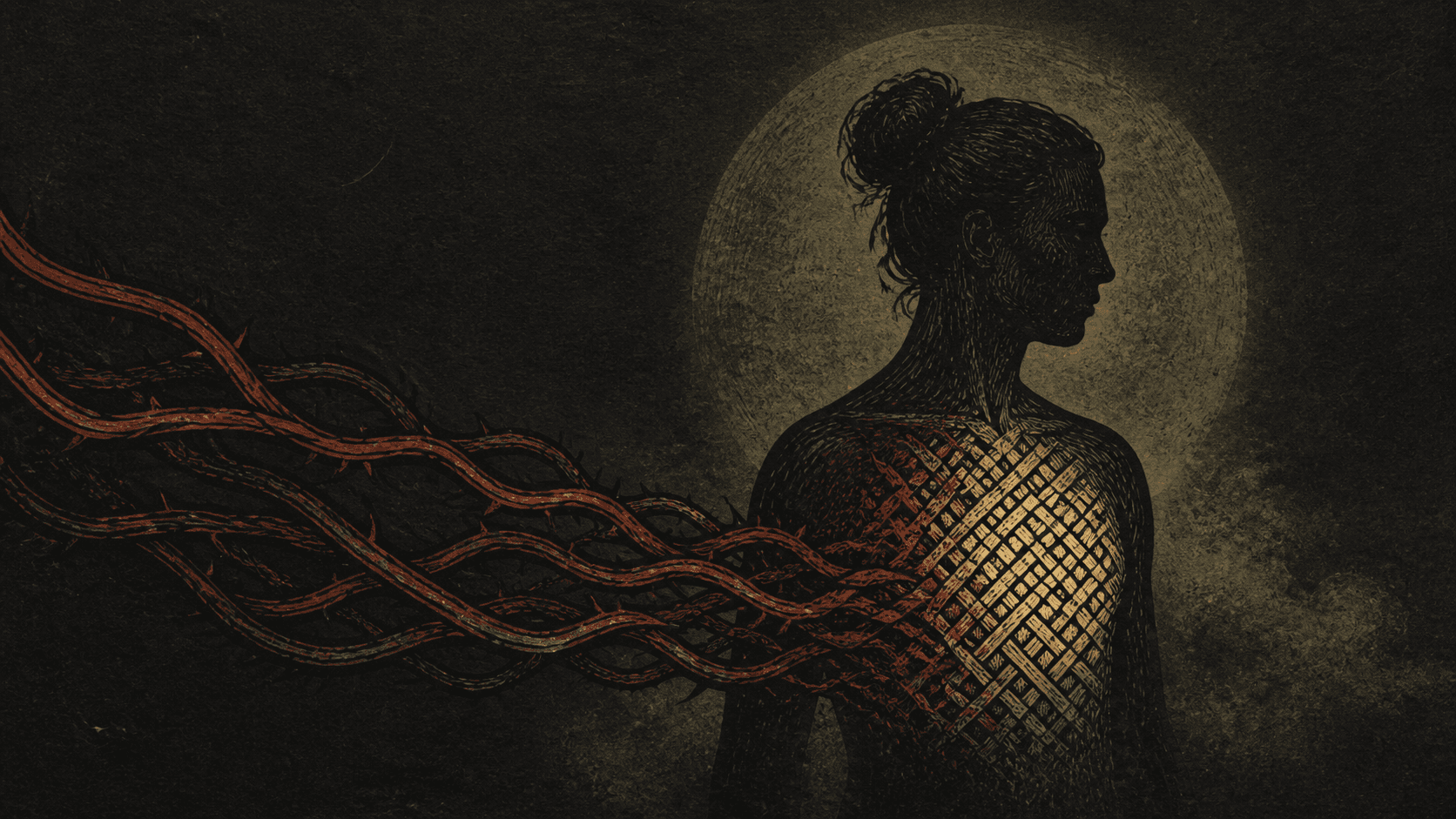
When a Diwa Is Rewoven
In Kali, Diwa is the spiritual pattern that shapes a being. This devlog explains how inborn Aswang differ from humans forcibly rewritten into Made Aswang—and why Gabunan’s power is an exception to Habi.
Systems
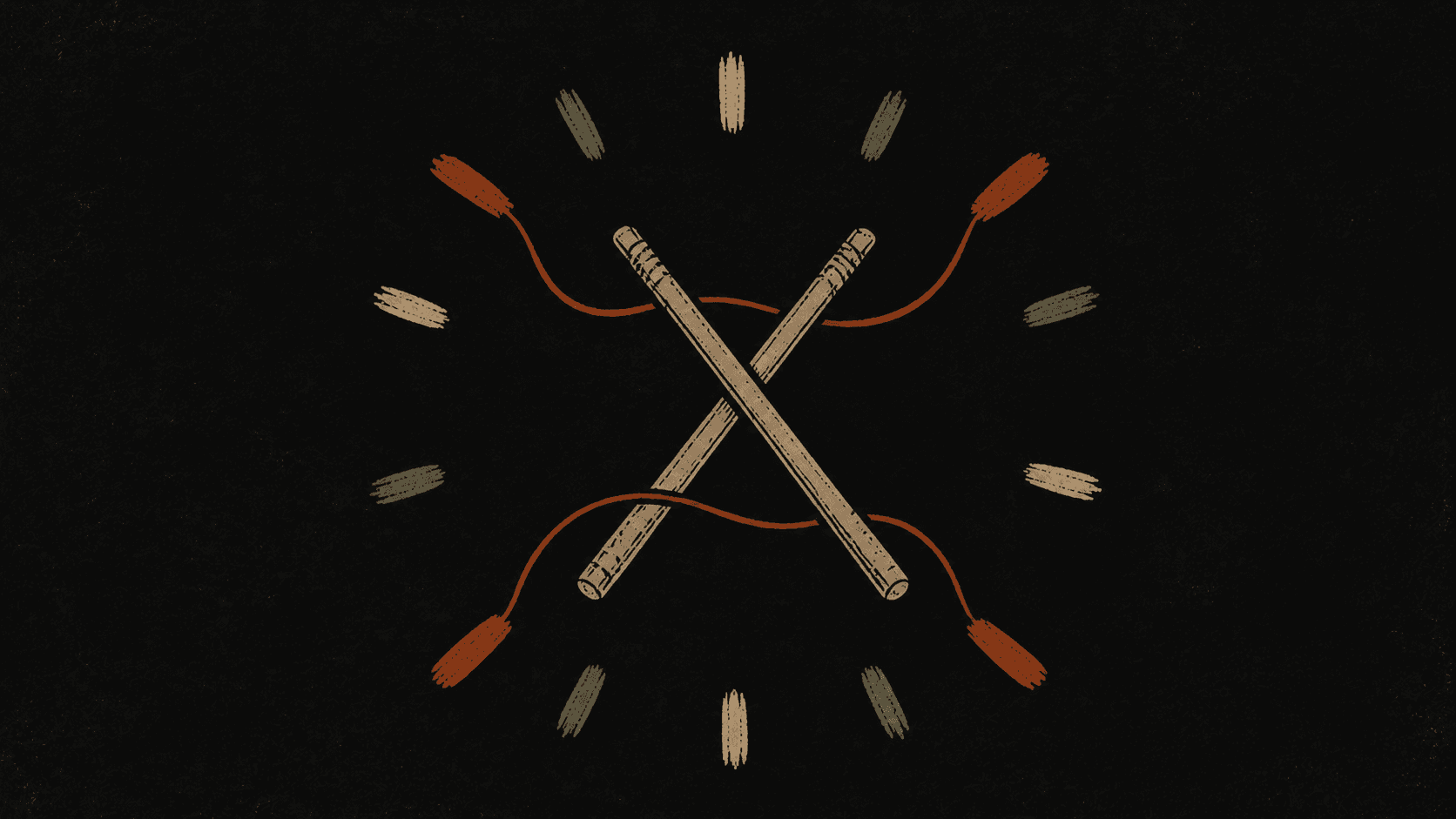
Turning Arnis Into Magic
Kali's magic is not a separate spell wheel. The plan is to configure three or four arnis strikes, then let Diwa and Habi run through the same movement, timing, parry, and counter rhythm.